
Vegan Dim Sum: Why It’s So Hard to Perfect
Vegan dim sum holds a special place in Chinese dining culture, yet making authentic versions without meat or eggs is notoriously difficult. These delicate small plates, often enjoyed during brunch hours, bring together an array of flavours, textures, and aromas. A single sitting could mean savouring barbecue pork buns, steamed shrimp dumplings, and siu mai, followed by iconic dishes such as chicken feet and glossy egg tarts.
However, while dim sum delights many, it poses a real challenge for those who follow a vegan lifestyle. Unlike other cuisines that lend themselves more easily to plant-based adaptations, dim sum traditionally relies on meat, seafood, and eggs for both flavour and texture. For diners who avoid animal products, this can make a visit to a dim sum restaurant feel more frustrating than fulfilling. But why exactly is it so difficult to make dim sum vegan-friendly?
The Role of Texture in Dim Sum
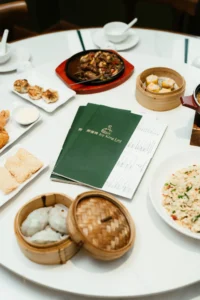 One of the defining features of dim sum is its texture. In East Asia, the concept of “QQ” is often used to describe the satisfying springiness found in foods such as dumplings and buns. This bounce and chew are as important as flavour itself.
While flavours can often be recreated with the help of seasonings, sauces, and marinades, texture is another story. Traditional dim sum relies heavily on proteins like pork, chicken, and shrimp to create the right bite. Removing these ingredients leaves chefs with the complicated task of replicating those unique mouthfeels using only plants.
To mimic meatiness and chew, some cooks turn to wheat gluten, also known as seitan, or experiment with konjac and tapioca starch for elasticity. Mushrooms add depth, while layers of vegetables can provide crunch or softness. Yet, even with these tools, achieving the authentic feel of dim sum is a culinary balancing act.
Why Classic Dim Sum Dishes Are Tricky to Veganise
Not all dim sum dishes are meat-heavy, but many of the most beloved ones certainly are. Recreating them without animal products requires more than a simple substitution.
Shrimp Dumplings and Siu Mai
Take har gow, the translucent shrimp dumplings, or siu mai, the open-topped dumplings usually filled with pork and shrimp. Both rely on animal proteins for their distinctive juiciness and bite. Shrimp delivers a natural snap, while pork contributes springiness and fat. Plants, however, behave very differently. Without the right proteins, achieving that balance of chew and succulence is far from straightforward.
Chefs who attempt vegan versions often turn to starches, specialist cooking techniques, or even hydrocolloids to recreate those textures. But the result rarely matches the original without significant experimentation.
Egg Tarts
Even seemingly simple dishes can be a technical challenge. Consider the Hong Kong-style egg tart, or dan tat. The glossy custard filling, paired with a buttery pastry case, is a dim sum essential. Yet, eggs and dairy form the foundation of both components.
Plant-based alternatives exist, but they demand precision. Chefs make vegan laminated dough with plant-based fats, while they prepare the custard filling using coconut or soy milk set with starch or agar. For authenticity, some chefs add kala namak, a mineral salt with an egg-like aroma. Still, the process is far from simple.
Taro Puffs
Another tricky case is the deep-fried taro puff, or wu gok. Its airy, lace-like exterior encases a savoury pork filling. To replicate this, vegan chefs need to master alternative shortenings and produce a plant-based filling with the same rich depth. It is a test of both technique and creativity.
Easier Wins for Vegan Dim Sum
Despite these challenges, not all is lost for those seeking vegan-friendly dim sum. Certain dishes lend themselves to plant-based cooking more naturally than others.
Turnip Cake
Turnip cake, or lo bak go, is an excellent example. Its base of daikon radish and rice flour is already vegan. Traditional additions of sausage and dried shrimp can be swapped for shiitake mushrooms, spring onions, and fermented black beans. With these changes, the flavour remains complex, and the texture satisfying.
Rice Noodle Rolls
Cheung fun, the silky rice noodle rolls, are also relatively simple to veganise. Their batter is naturally free of animal products, and the fillings can be adapted with mushrooms, tofu, or yuba (tofu skin). The rolls still deliver that smooth, slippery texture beloved by dim sum fans.
Bao and Sticky Rice
Steamed bao buns also adapt well when filled with char siu-style mushrooms or seitan, offering the same sweet-savory balance as the pork version. Sticky rice wrapped in lotus leaves (lo mai gai) can also be reimagined with plant-based proteins, delivering both fragrance and substance.
Strategies for Creating Plant-Based Dim Sum
 For chefs, the secret to vegan dim sum lies in respecting tradition while embracing innovation. Texture should be the top priority, as flavour can always be built through careful seasoning.
King oyster mushrooms, firm tofu, and yuba provide chewiness and structure, while konjac products mimic the springiness of seafood. Textured vegetable protein, although sometimes overlooked, can also play a role when prepared with care.
Equally important are “flavour builders.” Classic Chinese ingredients such as fermented tofu, Shaoxing wine, soy sauce, sesame oil, kombu, and even nori help layer depth and umami. By focusing on these fundamentals, plant-based dim sum can still capture the spirit of the original dishes, even if the execution requires more effort.
The Future of Plant-Based Dining in Britain
In recent years, Britain has seen a surge of interest in vegan food, from street stalls to fine dining. Chinese cuisine, with its centuries of tradition, is beginning to adapt to this movement too. Diners can now find more plant-based options than ever before, though recreating the entire dim sum experience in vegan form remains a tall order.
Restaurants that take on this challenge often strike a balance: offering traditional dim sum alongside carefully crafted vegan alternatives. This way, everyone at the table can share in the joy of the meal, even if the dishes differ.
Conclusion
Dim sum has always been about variety, skill, and the delight of sharing. For vegans, the journey to find satisfying plant-based versions can be tricky, but it is not impossible. With the right ingredients, creative approaches, and respect for tradition, vegan dim sum can capture both the flavour and spirit of this much-loved Chinese dining ritual.
For diners in Britain, the growing interest in plant-based food means vegan dim sum may become increasingly common. Yet, it remains a cuisine that demands patience, precision, and culinary ingenuity to master.