
History of Chopsticks: Tradition, Etiquette, and Adaptations
The history of chopsticks reveals centuries of tradition, cultural meaning, and design, shaping dining customs across Asia and beyond. They are more than eating tools. They represent tradition, etiquette, and adaptability across Asia and beyond. Today, chopsticks continue to inspire both dining customs and modern innovation.
The Origins of Chopsticks
Chopsticks first appeared in China more than 3,000 years ago. Initially, people used them mainly for cooking rather than eating. Early chopsticks helped handle food over open fires, keeping hands safe from heat.
Later, as food preparation shifted towards bite-sized pieces, chopsticks became perfect for dining. By the Han dynasty, they had spread across households. Over time, chopsticks travelled to Japan, Korea, and Vietnam, each culture adding its own style.
History of Chopsticks and Cultural Symbolism
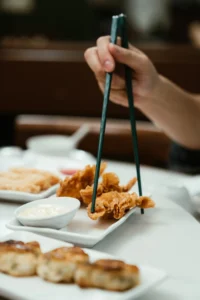 Chopsticks are not just utensils. They symbolise respect, harmony, and even fortune. In many traditions, they carry meanings that extend far beyond the dining table.
- In China, gifting chopsticks often represents good wishes for prosperity and happiness.
- In Japan, chopsticks connect to rituals, festivals, and spiritual offerings.
- In Korea, chopsticks are usually paired with a spoon, showing balance in dining.
Because of these associations, chopsticks continue to serve as cultural icons as well as practical tools.
Chopstick Etiquette Across Cultures
Although chopstick use feels universal in Asia, etiquette differs between countries. Understanding these rules shows respect for local traditions.
Chinese Etiquette
In China, diners should never stick chopsticks upright in rice. This resembles incense at funerals and is considered unlucky. Passing food directly from one pair of chopsticks to another also signals funeral customs.
Japanese Etiquette
Japanese dining emphasises precision and respect. Diners must avoid pointing with chopsticks, tapping them on bowls, or crossing them. Using chopstick rests is common, and leaving chopsticks neatly placed signals good manners.
Korean Etiquette
Korean chopstick etiquette encourages diners to wait for elders before starting a meal. Metal chopsticks are traditional, making them heavier and more durable than wooden versions. People usually pair them with a spoon, especially for rice or soup.
By following these practices, diners not only show courtesy but also connect more deeply with the culture.
History of Chopsticks in Modern Life
Today, chopsticks continue to evolve with changing lifestyles. While their design remains classic, modern adaptations make them even more versatile.
Materials and Design Innovations
Chopsticks now come in bamboo, wood, plastic, stainless steel, and even titanium. Designers have created portable chopsticks that fold or connect with magnets. Eco-friendly versions made from recycled materials are also gaining popularity.
Global Influence
Beyond Asia, chopsticks have found a place in homes and restaurants worldwide. Sushi bars in Europe and America provide chopsticks as the default utensil. Many food lovers view mastering chopsticks as part of enjoying authentic Asian cuisine.
Accessibility and Adaptations
To help learners, chopsticks with training grips or connected tops are widely available. These tools make it easier for children and beginners to gain confidence. Moreover, some schools and restaurants even use chopsticks in educational or cultural activities.
History of Chopsticks and Social Role
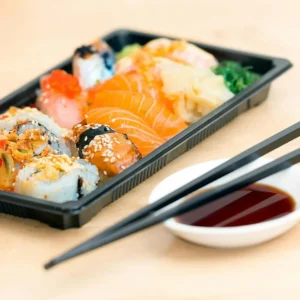 Chopsticks encourage shared dining, a key part of many Asian cultures. Because food is served in communal dishes, chopsticks help people engage in the experience together. Sharing food in this way strengthens social bonds.
In addition, chopsticks slow down eating. Unlike forks or spoons, they encourage smaller bites and mindful dining. This slower pace often makes meals more enjoyable and social.
Chopsticks in Popular Culture
Chopsticks have also entered fashion, art, and entertainment. They appear in films, cartoons, and even in music – think of the simple piano tune named “Chopsticks.” Their image represents both tradition and playfulness.
Restaurants often use chopstick designs on logos and menus. Souvenir shops sell decorated chopsticks as gifts. In this way, chopsticks serve as both functional objects and cultural symbols.
Conclusion: More Than Just Utensils
Chopsticks remain simple in form yet powerful in meaning. Their history stretches back thousands of years, and their etiquette reflects cultural values. Modern versions show creativity, while their role in global dining highlights their adaptability.
Whether used for everyday meals or special occasions, chopsticks bring tradition, connection, and even joy to the table. They remind us that eating is not just about food – it is also about culture, respect, and shared experience.