
Chinese Dining Symbolism and Meaning
Chinese dining symbolism reveals how food expresses culture, meaning, and connection beyond simply satisfying hunger and taste. It tells stories, expresses respect, and connects generations. Every dish carries meaning, every ingredient symbolises something deeper. In fact, dining itself becomes a form of communication. Through flavours, textures, and presentation, Chinese meals reflect values of harmony, luck, and unity.
The Art of Sharing in Chinese Dining Symbolism
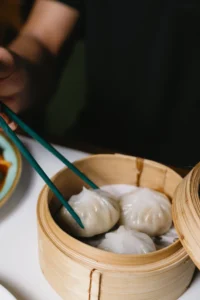 Chinese dining centres on sharing. Unlike Western meals served in separate portions, dishes here arrive at the centre of the table. Everyone reaches for food together. This simple act symbolises equality and togetherness. It encourages conversation and mutual respect. Moreover, sharing ensures that no one feels left out, reinforcing the idea of community.
At family gatherings, dishes represent blessings. For instance, serving fish (鱼 yú) symbolises abundance, because the word sounds like “surplus” in Chinese. Therefore, finishing every dish except the fish shows hope for prosperity in the coming year.
Symbolism on the Plate
Fish – A Promise of Prosperity
Fish often appears at festive meals, especially during Lunar New Year. However, it must not be fully eaten. Leaving a portion symbolises saving for the future. The saying “年年有余” (nián nián yǒu yú) means “may you have abundance every year.” This tradition reminds families to value balance between enjoyment and restraint.
Dumplings – Wealth and Reunion
Dumplings resemble ancient Chinese gold ingots, so they represent wealth and success. Families often make dumplings together on New Year’s Eve, shaping each piece with laughter and care. The process strengthens bonds. Eating dumplings at midnight symbolises welcoming prosperity and togetherness for the year ahead.
Noodles – Longevity and Life
Long noodles represent long life. Cutting them short is seen as bad luck. During birthdays, elders enjoy bowls of longevity noodles (长寿面 cháng shòu miàn) to wish for health and happiness. Each strand reminds diners to savour every moment of life’s journey.
Rice – Unity and Stability
Chinese dining symbolism reveals how food expresses culture, meaning, and connection beyond simply satisfying hunger and taste.Rice forms the heart of Chinese dining. It represents nourishment, family, and stability. Serving rice first shows hospitality and care. In rural traditions, wasting rice is considered disrespectful to nature and to those who work the land. Thus, every grain holds meaning.
The Role of Colour and Presentation in Chinese Dining Symbolism
In Chinese dining, appearance matters as much as taste. Colours and arrangements carry symbolic weight. For example, red symbolises luck and celebration, while gold reflects wealth and happiness. Green signals growth, and white symbolises purity. Therefore, chefs often combine colours to create harmony on the plate.
Additionally, the presentation reflects balance and order. Dishes are arranged symmetrically to mirror yin and yang – the belief in harmony between opposites. Even the round shape of a dining table encourages inclusion, ensuring everyone faces one another equally.
The Ritual of Tea
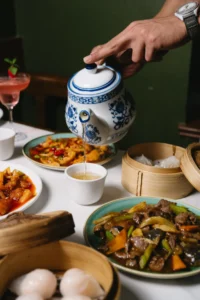 Tea represents respect, gratitude, and connection. Pouring tea for elders shows humility and honour. In weddings, couples serve tea to parents as a sign of appreciation. Moreover, tea houses act as spaces for reflection and friendship. The act of drinking tea slowly encourages mindfulness and balance – key elements of Chinese philosophy.
Each type of tea also carries meaning. Green tea symbolises purity, oolong represents strength, and jasmine stands for elegance. Therefore, choosing the right tea for the right occasion shows cultural understanding and thoughtfulness.
Celebrations and Symbolic Feasts in Chinese Dining Symbolism
Festivals in China revolve around symbolic foods. During the Mid-Autumn Festival, families share mooncakes. Their round shape symbolises unity and completeness. Similarly, during the Dragon Boat Festival, people eat sticky rice dumplings (zòngzi), wrapped in bamboo leaves, to honour loyalty and tradition.
Every festival feast tells a story from history or legend. Eating these foods connects the present to the past, ensuring cultural memory lives on. Furthermore, such traditions teach younger generations the values of respect, gratitude, and family harmony.
Modern Interpretations, Ancient Meanings
In modern China, dining habits evolve, yet symbolism remains strong. Even in contemporary restaurants, chefs design menus around auspicious meanings. Couples order “double happiness” dishes for weddings. Companies serve round desserts at corporate banquets to signify unity and success.
Although lifestyles change, the language of food continues to speak clearly. It bridges old and new, reminding people that eating together is more than a routine – it is an act of connection and meaning.
The Last Bite
Chinese dining rituals reveal how deeply food intertwines with life and culture. Every meal tells a story of gratitude, family, and balance. Through shared dishes, symbolic ingredients, and mindful rituals, people communicate respect without saying a word.
Ultimately, the language of food remains universal – it speaks of love, unity, and the shared joy of being together around the table.