
Chinese Dining Trends and Global Influence
Chinese dining trends have travelled far beyond their borders, inspiring global cuisines and shaping how the world enjoys food. Today, it stands as one of the world’s most loved and recognised food cultures. From bustling cities to quiet towns, Chinese dishes have found a home in kitchens and restaurants worldwide. Moreover, their influence continues to grow, inspiring chefs, diners, and even food manufacturers to rethink how they approach flavour, presentation, and dining experience.
As global tastes evolve, Chinese dining traditions keep shaping food trends – not just through flavours, but through philosophy and technique.
The Balance of Flavour and Chinese Dining Trends
 Chinese cuisine is built on balance. Every dish aims to harmonise sweet, sour, salty, bitter, and spicy elements. This principle of yin and yang influences both the taste and health aspects of the meal. Consequently, it inspires chefs worldwide to seek similar equilibrium in their own cooking.
In London, New York, or Sydney, you’ll now find dishes influenced by this balance – such as citrus-glazed duck, soy-infused dressings, or vegetable stir-fries with light broths. These adaptations reveal how Chinese culinary wisdom continues to guide modern gastronomy.
From Street Food to Fine Dining
Once, Chinese food abroad meant simple takeaways and noodle bars. However, the landscape has changed. Today, Chinese dining spans from humble dim sum carts to Michelin-starred tasting menus. This transformation has made Chinese cuisine both approachable and aspirational.
For instance, fine dining restaurants now celebrate traditional techniques such as slow braising, wok hei (the “breath of the wok”), and regional spice layering. At the same time, street food culture – with steamed buns, scallion pancakes, and spicy noodles – influences casual dining trends everywhere. Therefore, Chinese food appeals to every palate and budget, bridging culinary worlds with ease.
Regional Diversity and Chinese Dining Trends Innovation
China’s vast geography gives rise to incredible regional variety. Cantonese cuisine highlights freshness and subtlety. Sichuan food celebrates bold, numbing spice. Meanwhile, Hunan dishes bring deep, smoky flavours, and Northern cooking focuses on wheat-based staples like dumplings and noodles.
This regional diversity continues to inspire chefs globally. For example, Sichuan peppercorns appear in modern cocktails, while Cantonese roast duck features in gourmet sandwiches. By borrowing regional influences, international kitchens create fusion dishes that feel both exciting and familiar.
The Rise of Plant-Based and Health-Conscious Dining
Chinese cooking has long featured vegetables, tofu, and legumes as main ingredients rather than side dishes. This naturally aligns with modern plant-based eating trends. Consequently, Western diners looking for sustainable, meat-free options often turn to Chinese-inspired dishes.
Steamed greens with ginger, mapo tofu, or vegetable stir-fries with fermented sauces are now staples on many menus. Moreover, Chinese food philosophy emphasises nourishment and wellness – encouraging mindful eating rather than indulgence alone. This has influenced the rise of “balanced dining” trends across health-conscious restaurants worldwide.
The Art of Sharing in Chinese Dining Trends
Another defining aspect of Chinese dining is the culture of sharing. Meals are served family-style, with multiple dishes placed at the centre of the table. This approach has inspired modern communal dining concepts across the globe.
Restaurants now promote shared plates and tasting menus that bring people together, just as Chinese dining has done for centuries. Furthermore, the practice reflects deeper values of connection and generosity – turning every meal into a shared experience rather than an individual one.
Tea Culture and Dining Rituals
Chinese dining is not only about food – it’s about ritual. Tea, for example, plays a central role in both daily life and special occasions. The act of pouring tea for others symbolises respect and hospitality.
This ritual has inspired the global tea culture seen today, from modern tea houses to luxury afternoon teas infused with jasmine, oolong, or pu’er varieties. Moreover, the idea of pairing tea with food, much like wine, has taken root in many fine dining establishments worldwide.
Chinese Dining Trends Techniques in Modern Kitchens
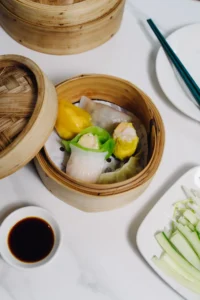 Many of today’s popular cooking methods owe much to Chinese innovation. Stir-frying, steaming, and quick blanching are techniques designed to preserve flavour and nutrition. Consequently, chefs worldwide have adopted them for their efficiency and health benefits.
In addition, fermentation and pickling – long-practised in Chinese kitchens – are now celebrated trends in Western gastronomy. Fermented black beans, chilli pastes, and rice vinegars add depth and umami to dishes in countless global cuisines.
Chinese Dining and Global Hospitality Trends
Beyond ingredients and techniques, Chinese dining also influences how restaurants operate. The emphasis on attentive service, elegant presentation, and symbolic décor has shaped hospitality standards internationally.
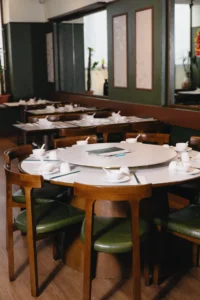
For instance, the use of round tables encourages inclusivity and conversation, while attention to colour and symbolism – such as red for good fortune – continues to inspire restaurant design and event planning. In this way, Chinese dining traditions extend beyond the plate, influencing the atmosphere and experience of dining itself.
The Future of Chinese Dining Trends Influence
Looking ahead, Chinese cuisine will continue evolving while staying rooted in its traditions. Younger chefs are blending ancient techniques with modern creativity, creating a new wave of innovation. Meanwhile, sustainability, local sourcing, and authenticity are shaping how Chinese food is interpreted abroad.
As diners become more adventurous, they seek stories behind dishes – and Chinese cuisine offers plenty of them. Whether through Sichuan spice, Cantonese delicacy, or Northern comfort food, the essence of Chinese dining will keep inspiring global food culture for generations.
A Lasting Legacy
Ultimately, China’s culinary footprint reaches far beyond flavour. It has influenced how the world cooks, eats, and connects over food. Through balance, tradition, and innovation, Chinese dining continues to shape global food trends – reminding us that cuisine is more than sustenance; it is a shared language of culture, creativity, and care.