
Braising Short Ribs vs. Back Ribs: UK Guide
Barbecue is a serious business, but our UK guide covers more than just back ribs, including braising short ribs. Many home cooks are moving beyond burgers and exploring new cuts. Indeed, beef ribs are a fantastic choice. However, the butcher’s counter can be confusing. Specifically, you will see different names and cuts.
What is the difference between beef short ribs and spare ribs?
First, we must clear up a common confusion. In the UK, the term “spare ribs” almost always refers to pork. The beef cut that is sometimes mistakenly called “spare ribs” is more accurately known as beef back ribs.
This guide will focus on the real difference. To achieve this, we will compare beef short ribs and beef back ribs. As a result, you will learn where they come from, what they taste like, and the best ways to cook them.
What Are Beef Short Ribs?
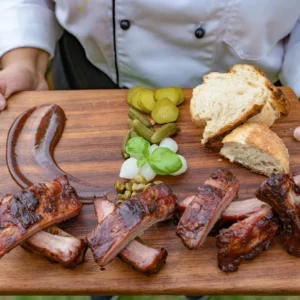 Where They Come From
Beef short ribs are not “short” in length. They get their name from the “short plate” primal cut. This is the lower, front section of the cow, near the belly and brisket. You can also get short ribs from the “chuck” primal, which is the shoulder area.
These muscles do a lot of work. As a result, the meat is initially tough. However, it is also packed with rich marbling (intramuscular fat) and connective tissue. When cooked properly, this breaks down into one of the most flavourful and succulent cuts of beef.
Common Types and Cuts
You will generally find two main types.
- Plate Short Ribs: These are the large, impressive “Dino Ribs” you see at barbecue restaurants. Specifically, they come from ribs 6, 7, and 8. As a result, they have a huge amount of thick meat on top of the bone.
- Chuck Short Ribs: These come from ribs 2 through 5, closer to the shoulder. Admittedly, they are smaller than plate ribs. However, they still have fantastic flavour and marbling.
Butchers prepare them in two main styles:
- English-Cut: The ribs are cut parallel to the bone. Consequently, this gives you thick, meaty, individual rib portions. Additionally, this cut is sometimes called “Jacob’s Ladder” and is perfect for braising.
- Flanken-Cut: A butcher cuts a thin strip across several bones. In turn, this creates a long, thin piece of meat with several bone sections. Therefore, this style is common in Korean barbecue.
Beyond Braising Short Ribs: What Are Back Ribs?
Where They Come From
Here is the most important distinction. Beef back ribs come from the upper part of the cow’s back. Specifically, they are the bones from the “rib” primal. This is the same high-value section that gives us the prime rib (or rib-on-the-bone) joint and the ribeye steak.
Think about a premium ribeye steak. Butchers often cut this valuable meat off the bone to sell as boneless steaks. Consequently, the bones that are left behind are the beef back ribs.
What to Expect
Because the valuable steak has been removed, the back ribs have less meat on top of the bone. In contrast to short ribs, most of the meat on back ribs is the intercostal meat. This is the meat that sits between the bones.
Do not let this put you off. This meat is incredibly tender. It shares all the rich, beefy flavour of the ribeye it once protected. Back ribs are generally less fatty than short ribs but are wonderfully delicious.
Braising Short Ribs: At-a-Glance Comparison
Here is a simple table to summarise the main differences.
| Feature | Beef Short Ribs | Beef Back Ribs |
| Primal Cut | Chuck or Plate (lower/front) | Rib (upper/back) |
| Meat Location | Thick layer on top of the bone | Mainly between the bones |
| Fat/Marbling | Extremely high (rich & beefy) | High (from the ribeye) |
| Best Cooking | Braising, Smoking (Low & Slow) | Roasting, Smoking, Grilling |
| Common Names | Dino Ribs (Plate), Jacob’s Ladder | Prime Rib Bones, Beef Ribs |
How to Cook Your Beef Ribs
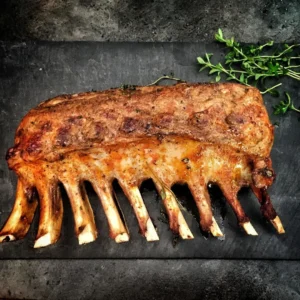 You must match your cooking style to the cut.
Cooking Beef Short Ribs
The high fat and collagen in short ribs demand one thing: time. They must have a “low and slow” cook to become tender.
- Braising: This is the classic method for English-cut ribs. Initially, sear the ribs in a hot, oven-proof pot. Afterward, simmer them in a rich liquid (like red wine and beef stock) in a low oven (around 150°C) for 3-4 hours. As a result, the meat will become perfectly tender.
- Smoking: This is the best method for large plate ribs. Cook them in a smoker or barbecue at a low, indirect heat (around 120°C) for 6-8 hours. Consequently, this melts all the fat and creates an incredible smoky flavour.
- Grilling: This method only works for thin, flanken-cut ribs. Therefore, you must marinate them first. Following that, grill them very quickly over a high heat.
Cooking Beef Back Ribs
Back ribs are more forgiving. They also cook faster. They are fantastic roasted in the oven or smoked on a barbecue.
- Preparation: You must remove the tough membrane (silverskin) from the bone side. Specifically, slide a knife under it and pull it off. Crucially, this helps the rub penetrate and improves the final texture.
- Cooking: Season the ribs with your favourite spice rub. Afterward, cook them at a moderate temperature (around 150°C) for 2 to 2.5 hours. They are done when the meat has pulled back from the bones.
- Finishing: Finally, for a sticky finish, you can brush them with barbecue sauce during the last 20 minutes of cooking.Braising Short Ribs: The Final Verdict
Ultimately, there is no “better” rib. There is only the right rib for the right meal.
If you want a rich, decadent, melt-in-your-mouth braise or a big barbecue project, choose beef short ribs. If you want a quicker cook with the tender, beefy flavour of a ribeye, choose beef back ribs. Both are fantastic. Now you can visit your butcher with confidence.