
Chinese Menu Names Unpack Poetry and History
Welcome to the captivating world of Chinese cuisine, where Chinese menu names hide history and poetic artistry. You often focus on the flavour and ingredients. However, the names of many dishes hold their own delicious secrets. These menu titles are more than simple labels. They offer a glimpse into China’s rich literary history and poetic tradition. Consequently, every visit to a Chinese restaurant becomes a cultural exploration. This article unpacks the artistry and history hidden in these beautiful names.
The Art of the Allusion in Chinese Menu Names
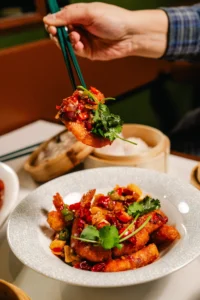 Chinese menu titles frequently employ allusion. They reference famous poems, historical events, or popular folklore. Such names elevate the dish beyond its physical form. For instance, a dish might be named “The General Tso’s Chicken.” This name subtly refers to the famous Qing dynasty statesman, Zuo Zongtang. Therefore, the dish gains an immediate sense of history and grandeur. This storytelling approach is central to the Chinese dining experience.
Another example is ‘Buddha Jumps Over the Wall‘ (Fó Tiào Qiáng). This famous soup’s name is a playful poetic exaggeration. It suggests the aroma is so enticing even a strict, vegetarian monk would abandon his vows. The name instantly creates an intriguing narrative for the diner. Consequently, the dish becomes much more memorable.
Understanding Figurative Language
Menu names also use figurative language extensively. Chefs employ imagery and metaphor to describe a dish’s appearance or texture. This practice turns the simple menu into a piece of art. For instance, ‘Ants Climbing a Tree’ (Mǎ Yǐ Shàng Shù) is a clear descriptive metaphor. This dish consists of minced meat scattered over vermicelli noodles. The meat pieces look like tiny ants climbing the branches of the noodles. The name is immediately evocative and descriptive.
Similarly, ‘Pearl Balls’ (Zhēn Zhū Wán) refers to steamed meatballs coated in glutinous rice. The rice kernels shimmer like small pearls. The name highlights the dish’s elegant visual appeal. ‘Silver Needle Noodles’ describes the thin, white noodles perfectly. These titles show a deep respect for both culinary and linguistic elegance.
Chinese Menu Names and Well Wishes
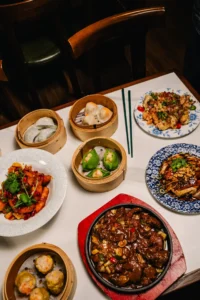 Many Chinese dish names carry significant symbolic meaning. They are especially popular during festivals and celebrations. These names express wishes for good fortune, wealth, or happiness. For example, during Chinese New Year, people often eat ‘Fat Choy’ (Fà Tài), a type of black moss. The name sounds phonetically similar to the Cantonese phrase for “to get rich” (fā cái).
‘Lion’s Head Meatballs’ (Shī Zi Tóu) symbolise a lion’s mighty power. They represent strength and prosperity for the family. The large, round meatballs are often served with leafy greens. The name gives a deeper, more profound meaning to the meal. Furthermore, serving a whole fish symbolises completeness and good beginnings and endings. Its name will often reflect this hopeful message.
The Poetic Naming Convention
The Chinese language is perfect for this poetic naming. Pinyin characters can be combined in many elegant ways. This allows for names that sound beautiful when spoken aloud. Therefore, the menu title is often short, memorable, and rhythmically pleasing. Moreover, the chef often wants to honour the ingredients through the name. A dish might be named after its key ingredient’s colour or shape. This is often done using a complimentary adjective. Consequently, the diner focuses on the fresh, high-quality ingredients.
The next time you peruse a Chinese menu, pause for a moment. Look beyond the ingredients listed below the title. Recognise the careful, poetic construction of the name itself. You are reading a small, tasty piece of Chinese literary history. Understanding these hidden meanings greatly enriches your dining experience. Enjoy the poetry on your plate.