
Reducing Food Waste: Waste Not, Want Not
Reducing food waste is certainly not a new idea, rooted in China’s centuries-old culinary tradition of resourcefulness and respect for life. Indeed, China has practised this concept for centuries. Furthermore, this tradition goes far beyond just cooking. Essentially, it is a deep cultural philosophy. Specifically, it stresses resourcefulness and respect for life. This practice is often called ‘nose-to-tail’ eating in the West. Ultimately, it highlights a pragmatic approach to food. We can trace its roots back to necessity and ancient beliefs. Consequently, this philosophy holds vital lessons for modern sustainability.
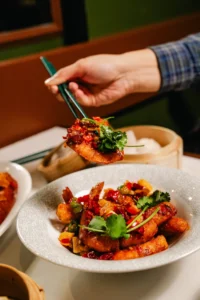
A History Forged by Necessity and Respect for Reducing Food Waste
The ‘nose-to-tail’ tradition began out of necessity. Historically, resources were often scarce in China. Farmers and families had to make every part of a slaughtered animal count. Throwing away any part was simply not an option. This need created a culinary culture. It elevated even the less-prized cuts. Therefore, this resourceful practice became the norm.
The Philosophical Roots
Furthermore, the practice aligns with deep Chinese philosophical ideas. Confucianism promotes a harmonious relationship with the world. It teaches respect for all things. The animal gives its life for human consumption. Consequently, people must honour that gift completely. This means no part should be wasted. This respectful approach differs from modern industrial farming. It treats the animal with great value.
Pragmatism in the Chinese Kitchen
Chinese cooking is a masterclass in this pragmatism. Chefs find unique and tasty ways to prepare every organ and every bone. Moreover, these ingredients are highly valued. They often provide special textures and flavours. For instance, pig’s feet are braised until tender and sticky. This method extracts all the collagen. They become a delicious and nutritious dish.
From Offal to Delicacy
Similarly, animal blood is not discarded. It is often cooked into blood curd. This is a common and protein-rich ingredient. The practice also extends to the animal’s fat and bones. Cooks often use them to create deeply flavourful stocks and broths. These form the foundation for many regional Chinese cuisines. Hence, a single animal contributes to countless meals. This careful use ensures maximum sustenance and minimal waste.
Cultural Significance Beyond the Plate in Reducing Food Waste
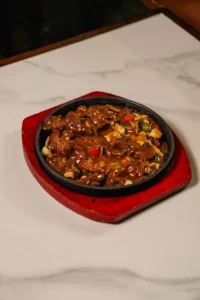 The ‘nose-to-tail’ ethos is a fundamental part of Chinese culture. It is a mindset that values thrift. Thus, it promotes careful and mindful consumption. This is not just about meat. It is about using all resources wisely. Indeed, this philosophy teaches future generations important life skills. It encourages ingenuity and stewardship of the environment.
Lessons for Modern Sustainability
This ancient Chinese wisdom offers valuable lessons today. Many Western societies now grapple with massive food waste. The Chinese model presents a more sustainable path. It challenges us to rethink what we consider “waste.” In addition, it encourages us to be more adventurous with our cooking. Adopting this philosophy can reduce our environmental impact. It also honours the resources we use.
The ‘nose-to-tail’ tradition is more than a historical oddity. It is a time-tested model for a sustainable future. In conclusion, by embracing its pragmatism, we can honour resources. We can ensure that we want not because we waste not.