
High Fibre Vegetables: Peas vs Broccoli
Many people seek simple ways to improve their daily diet by adding more high fibre vegetables to meals regularly. Most individuals know that vegetables provide essential nutrients. Consequently, shoppers often fill their baskets with broccoli. They believe this green vegetable offers the best nutritional boost. However, a humble competitor actually beats broccoli in a key area. Green peas contain significantly more dietary fibre than broccoli. Therefore, these small green spheres deserve a prominent spot on your plate.
The Nutritional Breakdown
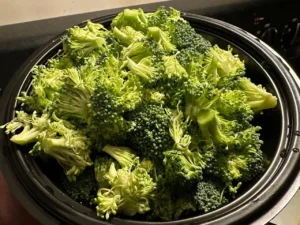 You might find the numbers surprising. The NHS provides clear data on this subject. One cup of chopped raw broccoli contains roughly 2 grams of fibre. In contrast, a cup of fresh green peas packs a massive 8 grams. Furthermore, peas possess a higher density than broccoli. A cup of peas weighs more than a cup of broccoli. Nevertheless, the fibre concentration in peas remains superior.
Beating Other Contenders
Peas do not just beat broccoli. They also outperform other high-fibre foods. For instance, peas contain more fibre than chia seeds. Moreover, they surpass Brussels sprouts, cabbage, and turnips. Thus, peas stand out as a nutritional powerhouse in the vegetable kingdom.
Meeting Goals With High Fibre Vegetables
Adults need specific amounts of fibre each day. The NHS sets clear guidelines for us. Men under 50 should aim for 31 grams daily. Women in the same age group require 25 grams. Additionally, needs change slightly as we age. Men over 50 need 28 grams. Women over 50 should target 22 grams. Consequently, eating peas helps you reach these targets quickly. Just two cups could provide a large portion of your daily requirement.
Benefits for Everyone
Peas fit into almost any diet plan. They contain no animal products. Furthermore, they remain naturally gluten-free. Therefore, they pose no risk for people with common dietary restrictions. In addition, peas offer insoluble fibre. This type of fibre aids digestion significantly. It helps keep your digestive system regular. Thus, your body functions better when you eat them.
Cooking and Preparation Tips
You might worry about cooking methods affecting nutrition. Fortunately, peas retain their value well. Boiled peas lose a negligible amount of fibre compared to raw ones. However, freezing does have a slight impact. Frozen peas lose roughly 1 gram of fibre per cup. Nevertheless, they remain a fantastic source of nutrients. You simply need to eat a small amount more to get the same benefit.
Tasty Ways to Eat Peas
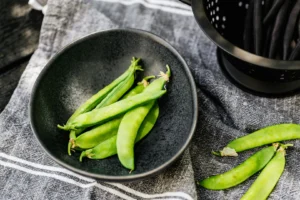 Many people recall mushy peas from childhood. However, you can prepare them in delicious ways. Avoid boiling frozen peas if possible. Instead, sauté them in a pan. This method keeps them snappy and fresh. Consequently, they maintain a better texture.
Creative Recipe Ideas
You can add peas to many dishes. Toss them into pasta salads for extra crunch. Furthermore, mix them into rice dishes or stir-fries. You might also try a fresh pea salad. Use a zesty Dijon mustard dressing for flavour. Alternatively, blend them into a dip. This makes a creamy snack for chips or bread.
A Modern Twist
Consider using peas for breakfast. Smash cooked peas onto whole grain toast. This mimics the popular avocado toast style. Add your favourite garnishes for extra flavour. Thus, you get a fibre-rich start to your day.
Summary of High Fibre Vegetables
Broccoli offers good nutrition. However, green peas provide far more fibre. They help you meet daily health goals easily. Moreover, they taste great when you cook them correctly. Therefore, grab a bag of peas at your next shop. Your body will thank you for the extra fibre.