
Authentic Chinese Restaurant Red Flags
Authentic Chinese Restaurant Red Flags However, diners often eat dishes that lack real authenticity. Furthermore, Western restaurants sometimes alter traditional recipes for local tastes. Consequently, you might eat “fake” Chinese food without realising it. Therefore, this article will help you spot the difference. Specifically, we will explore three clear red flags. You can easily find these warning signs in any local kitchen. Thus, you will quickly learn to identify true culinary quality. Ultimately, authentic meals always offer far better and fresher flavours.
The Trap of “Mystery Sauces”
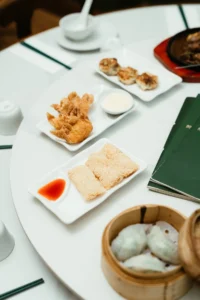 First, pay close attention to the sauces on your plate. Authentic Chinese cooking relies on clear, distinct flavour profiles. For example, chefs use specific ingredients like premium soy sauce. Moreover, they carefully balance fresh ginger, garlic, and chilli. Conversely, “fake” Chinese food often hides behind thick, sweet glazes. Restaurants sometimes use bulk-made “mystery sauces” to save valuable time. Therefore, every single dish suddenly tastes exactly the same. Consequently, you lose the unique flavour of the core ingredients. Furthermore, these mysterious brown sauces often contain heavy amounts of sugar. True Chinese chefs respect the natural taste of fresh vegetables. They also highlight the high quality of the meat. Ultimately, if the sauce tastes like sweet syrup, you must beware.
The Missing Magic of Wok Hei in an Authentic Chinese Restaurant
Next, you must look for the presence of Wok Hei. This unique term translates directly to the “breath of the wok”. Essentially, it describes the smoky flavour from extreme cooking heat. Authentic kitchens use incredibly hot, roaring fires to cook food. Consequently, chefs toss ingredients rapidly through these massive flames. This intense heat quickly caramelises sugars and sears the food. Furthermore, it creates a unique, complex, and slightly smoky taste. However, many standard takeaways completely lack this vital culinary element. Often, cooks just boil or steam the ingredients instead. Alternatively, they use low heat that fails to sear meat properly. Therefore, the resulting meal tastes flat, soggy, and completely uninspired. Indeed, true Wok Hei elevates a dish from good to great. You cannot easily replicate this fiery magic at your home. Therefore, a restaurant must master this technique for real authenticity.
The Overuse of Cornstarch Thickeners
Finally, examine the actual physical texture of your hot meal. Authentic recipes use thickeners very sparingly and extremely carefully. For instance, a chef might use a little starch for silkiness. However, “fake” Chinese kitchens often abuse cornstarch massively. Consequently, the food arrives sitting in a strange, gloopy mess. Moreover, this excessive starch completely masks the true dish flavours. Furthermore, it creates a heavy, gelatinous texture in your mouth. You will notice this red flag almost immediately upon eating. The sauce clings too thickly to the meat and vegetables. Sometimes, it even forms a solid jelly as it cools down. Genuine Chinese cuisine champions light, vibrant, and fresh food textures. Therefore, proper cooks let the natural juices form the sauce base. If your food feels like thick glue, you have a problem. This clearly indicates a severe lack of proper cooking technique.
How to Find an Authentic Chinese Restaurant
Ask the Right Questions
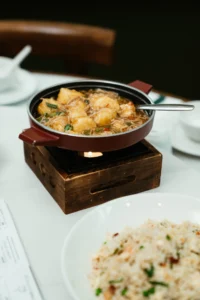 Therefore, you must stay very vigilant when you order food. First, you can ask the restaurant staff about their cooking methods. Specifically, inquire if they make their rich sauces fresh daily. Moreover, ask if they use high-heat woks for rapid frying. Genuine establishments will proudly share their traditional cooking techniques.
Observe the Kitchen and Menu
Next, try to observe the busy kitchen if the layout allows. Look for large hot flames and fast, energetic wok tossing. Furthermore, examine the printed menu for regional specialities and traditional dishes. Authentic menus usually move far beyond standard sweet and sour chicken. Ultimately, you deserve to eat high-quality, delicious, and genuine meals.
Final Thoughts on Authentic Chinese Food
In conclusion, finding authentic Chinese food requires a little attention. However, you can easily spot the most common warning signs. First, avoid places that rely heavily on sweet, generic mystery sauces. Next, actively seek out that incredible, smoky Wok Hei flavour. Finally, reject dishes that use far too much gloopy cornstarch. Consequently, you will experience a whole new world of amazing taste. Authentic Chinese cuisine always offers vibrant, fresh, and complex culinary delights. Therefore, you should use these helpful tips during your next meal. You will surely appreciate the massive upgrade in overall food flavour.