
Chinese Soup Dumplings Safely Mastered
The xiao long bao, known as Chinese soup dumplings, represents a true marvel of modern culinary engineering. Chefs wrap delicate wheat skin around a seasoned pork filling and a cube of jellified broth. When steamed, that broth liquefies into a rich, steaming soup. However, this delicious treasure hides a dangerous secret. One reckless bite often leads to a scalded tongue and ruined taste buds. To truly enjoy this delicacy, you must respect the process. Mastery requires patience, precision, and a specific set of tools.
The Essential Toolkit
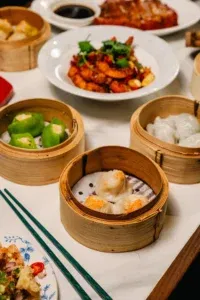 Before you lift your chopsticks, prepare your station. You cannot eat these dumplings with your hands or a fork. Most traditional restaurants provide a flat-bottomed ceramic spoon and a small dish of ginger slivers. Furthermore, you will find bottles of black vinegar and soy sauce on the table. These items serve a functional purpose beyond simple seasoning.
Preparing Your Dipping Sauce
Start by creating your dipping liquid. Pour the dark, malty black vinegar over the fresh ginger strands. Add a small splash of soy sauce if you prefer a saltier profile. Generally, the ratio should favour the vinegar. The acidity cuts through the richness of the pork fat. Moreover, the cold liquid helps lower the temperature of the dumpling during the dipping stage.
Chinese Soup Dumplings: “Nibble, Sip, Dip”
Mastering the soup dumpling involves a three-part ritual. This method ensures you taste every component without any pain. Follow these steps to eat like a seasoned professional.
Step 1: The Gentle Lift
First, grasp the dumpling near the top “knot” where the pleats meet. Do not squeeze the delicate sides. If the skin tears, the precious soup escapes onto the steamer liner. Lift it slowly and place it onto your ceramic spoon. This spoon acts as a safety net for any leaks.
Step 2: The Initial Nibble
Once the dumpling rests safely on the spoon, bring it toward your face. Carefully nibble a small hole in the side of the dough. This opening acts as a steam vent. Consequently, the trapped heat escapes, and the pressure inside the dumpling drops. Wait for a few seconds as you watch the steam rise.
Step 3: The Savoury Sip
Now, tilt the spoon and bring the small hole to your lips. Gently sip the hot broth through the opening. This allows you to control the flow of the liquid. You experience the intense flavour of the soup first. Because you sipped slowly, your mouth remains safe from burns.
Step 4: The Final Dip
Finally, place a few slivers of vinegar-soaked ginger onto the dumpling. You can also dip the entire spoon into your sauce bowl briefly. Pop the remaining dough and meat filling into your mouth in one go. The textures of the chewy skin and tender pork now take centre stage.
Why Chinese Soup Dumplings Rituals Matter
 You might feel tempted to rush this process. Nevertheless, the ritual exists for several practical reasons. Firstly, it preserves the integrity of the dish. The soup defines the xiao long bao experience. Secondly, it creates a balanced flavour profile. The ginger and vinegar provide a necessary contrast to the heavy broth.
Avoiding Common Mistakes
Many beginners try to eat the dumplings directly from the steamer basket. This almost always results in a broken skin and a messy table. Additionally, avoid blowing too hard on the dumpling. This cools the outside but leaves the soup core dangerously hot. Instead, trust the “Nibble, Sip, Dip” method to regulate the heat naturally.
Practising Your Skills
In summary, like any art form, eating soup dumplings takes practice. Your first few attempts might feel a bit clumsy. Perhaps you will tear a skin or spill some broth. Do not worry about perfection immediately. Soon, the motions will feel like second nature. You will navigate the transition from the steamer to the spoon with total confidence.
Furthermore, sharing this meal with friends makes the experience even better. You can observe their techniques and share your new knowledge. Once you master the temperature control, you can focus entirely on the taste. You will never fear a hot dumpling again. Instead, you will appreciate the complex layers of this iconic Chinese dish.