
Dim Sum Restaurant Guide for Beginners
Find your first dim sum restaurant feast: the 10 dishes every beginner should order, why they matter, and how to eat them.
Over 1,000 different dim sum dishes exist today, according to Viator’s Hong Kong dining guide. So where should a newcomer begin? Start with these ten. First come har gow, siu mai, char siu bao and egg tarts. Then add cheung fun, lo mai gai, spring rolls, turnip cake, sesame balls and custard buns. Below, we answer the questions new diners ask most. Plus, we explain why each dish earns its place at the table.
What is Dim Sum, Exactly?
Dim sum is a Cantonese style of small, shared plates. Traditionally, families enjoy them at brunch alongside pots of tea. People call this ritual yum cha, which simply means “drink tea”. Indeed, the phrase entered the Oxford English Dictionary back in 2016, as China Minutes notes.
Which 10 Dishes Should a First-Timer Order?
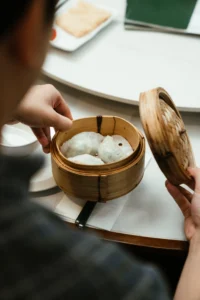 Order across textures and flavours. Therefore, mix steamed, fried and sweet across your table.
Start With the Four Heavenly Kings
Locals crown four classics the “Four Heavenly Kings” of dim sum, as the Hong Kong Tourism Board explains.
- Har gow (prawn dumplings). Look for a thin, glossy wrapper. A skilled chef folds at least seven pleats, ideally ten. So they reveal real craft.
- Siu mai (pork and prawn dumplings). This open-topped parcel tastes rich and savoury. Most diners reach for these first.
- Char siu bao (barbecue pork buns). They arrive sweet, fluffy and warm. Children adore them, so nervous eaters relax instantly.
- Dan tat (egg tarts). A silky custard sits inside flaky pastry. Finish your meal here on a sweet note.
Then Add Six More Crowd-Pleasers
- Cheung fun (rice noodle rolls). Silky sheets wrap prawns, pork or beef. A sweet soy sauce lifts every bite.
- Lo mai gai (sticky rice in lotus leaf). The leaf perfumes the rice beautifully. However, it fills you up fast, so share it.
- Spring rolls (chun gyun). Crisp, golden and familiar. They give the table welcome crunch.
- Lo bak go (turnip cake). Cooks pan-fry the squares until they crisp outside and stay soft within.
- Jin deui (sesame balls). These chewy, sweet spheres roll in toasted sesame seeds. Pop one whole.
- Lau sa bao (custard lava buns). Warm custard flows out as you bite. So save room for these.
How Much Dim Sum Should I Order?
Order three to four baskets per person to begin. Each basket usually holds three or four pieces, as the Dim Sum Palace beginner’s guide explains. Then add more as the meal flows. After all, dim sum arrives in waves, not all at once.
Is There Any Etiquette I Should Know?
Yes, and the rules feel warm rather than fussy. First, pour tea for others before yourself. Next, tap two fingers gently on the table to say thank you. Above all, share every dish. Dim sum is a communal meal at heart.
When is the Best Time to Go for Yum Cha?
Traditionally, families gather for morning tea. Weekends, however, grow busy quickly. Therefore, arrive early and claim your table. Meanwhile, weekday lunches stay calmer if you prefer a quieter pace.
Ready to Try All Ten?
Now you know exactly where to start. So bring friends, order widely and pace yourself. Finally, book a table at Joy King Lau and begin with the Four Heavenly Kings. You can also browse our full dim sum menu before you arrive.