
Modern Chinese Fusion: Tradition or Innovation?
Explore how modern Chinese fusion transforms London’s dining scene. Discover why chefs blend tradition with bold new flavours in every dish. While traditional Cantonese roots remain strong, a new era of culinary creativity is emerging across the capital. This evolution blends ancient techniques with contemporary global influences to create something entirely unique. Modern diners now seek more than just a meal; they want an experience that tells a story. Consequently, the rise of fusion cooking has sparked a fascinating debate between heritage and innovation. This article explores how these trends are reshaping our plates and what the future holds for this vibrant cuisine.
Embracing Modern Chinese Fusion in London
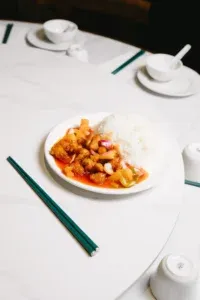
The term fusion often suggests a simple mix of two different cultures. However, in the world of professional cookery, it represents a deep respect for balance and harmony. Chefs across the UK are now reimagining classics by incorporating unexpected local ingredients. For example, you might find traditional steamed bao buns filled with British pulled pork or even Mediterranean-inspired vegetables. These bold choices attract a younger, more adventurous generation of diners. Furthermore, they prove that Chinese food can adapt without losing its soul.
Innovation does not mean discarding the past. Instead, it allows traditional recipes to breathe and grow in a modern context. Many established eateries now use high-quality British produce to enhance authentic sauces. This strategy creates a bridge between familiar Western tastes and complex Eastern spices. Naturally, this approach helps the cuisine reach a much wider audience than ever before.
Why Authenticity Still Matters
Despite the excitement surrounding new trends, many food lovers still crave the original flavours of China. Preservation acts as a vital anchor for the entire industry. Authentic dishes connect families to their history through specific textures and aromas. Without these roots, the culinary identity of a region could simply fade away. Therefore, many chefs choose to master the old ways before they experiment with new ones.
Tourists and locals alike often seek out “real” Cantonese dim sum in the heart of Chinatown. They want the precise fold of a prawn dumpling and the rich scent of jasmine tea. These elements provide a sense of comfort that modern twists cannot always replicate. Maintaining these traditions ensures that the artistry of Chinese cooking remains protected for the next generation.
The Perfect Balance of Old and New
Finding a middle ground is the ultimate goal for many top restaurateurs today. They respect the ancient principles of yin and yang while acknowledging modern health trends. For instance, contemporary kitchens often reduce the amount of oil used in classic stir-fries. They also offer more plant-based options to satisfy the growing demand for vegan dining. These small adjustments keep the menu fresh without changing the core identity of the food.
Creative Twists on Dim Sum
Dim sum remains a central pillar of the London dining scene. Traditionally, these bite-sized treats feature pork, prawns, or seasonal greens. Today, however, you might encounter luxurious fillings like black truffle or smoked salmon. These additions offer a premium feel that fits perfectly with the city’s fine-dining expectations. Nevertheless, the careful steaming and folding techniques remain exactly as they were decades ago.
The Rise of Plant-Based Options
Vegetarianism is no longer an afterthought in the modern Chinese kitchen. Chefs are replacing meat with versatile ingredients like jackfruit or specialty mushrooms. These swaps provide the same satisfying texture as traditional fillings. This inclusivity allows more people to enjoy the communal spirit of a Chinese feast. It also aligns with a global shift toward more sustainable eating habits.
Inspiring Modern Chinese Fusion Menus Today

Ultimately, the future of the cuisine lies in the hands of the customers. Their curiosity drives chefs to keep pushing the boundaries of flavour and presentation. Social media also plays a huge part in this ongoing evolution. A visually stunning fusion dish can go viral in seconds, drawing crowds to a new restaurant. This digital visibility supports local businesses and keeps the dining scene dynamic.
Diners today value transparency and quality above all else. They want to know where their food comes from and how it is prepared. As a result, many restaurants are opening their kitchens to show off their technical skills. This openness builds trust and creates a more engaging atmosphere for everyone involved.
Looking Ahead to the Future
Chinese cuisine will undoubtedly continue to evolve alongside global technology and culture. However, the essence of the food will always focus on harmony and respect for ingredients. Whether you prefer a traditional clay pot or a modern fusion bao, the goal remains the same. Every plate should bring joy and connection to the table. By embracing both change and tradition, the industry ensures its place at the top of the culinary world.