
Types of Rice Explained Simply
Types of rice are as diverse as the cuisines they inspire, offering endless flavours, textures, and cultural traditions worldwide. From fragrant curries in India to creamy risottos in Italy, this humble grain has the power to bring people together at the table. Yet, despite being a daily staple for billions, many still find the sheer variety of rice confusing.
In the UK, rice has become an essential ingredient for home cooks exploring global flavours. Whether for a quick stir-fry, a hearty risotto, or a light salad, knowing which type of rice to use can transform a dish. Here’s a closer look at seven popular varieties and what makes each one unique.
Basmati Rice – The Fragrant Classic
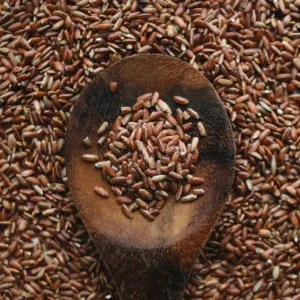 Basmati rice originates from the foothills of the Himalayas and captivates diners with its long, slender grains and distinctive aroma. It’s a cornerstone of Indian and Pakistani cuisine, often served with curries, biryanis, and kebabs. When cooked, basmati remains fluffy yet separate, thanks to its low starch content.
White basmati rice offers a delicate, nutty flavour, while its brown counterpart retains the bran layer, adding more fibre and a chewier texture. The latter takes longer to cook but provides added nutrients and a satisfying bite. In British kitchens, basmati has become the go-to choice for anyone seeking light, aromatic rice that complements richly spiced dishes.
Types of Rice: Jasmine Rice – Fragrant and Soft
Often mistaken for basmati, jasmine rice is Thailand’s aromatic pride. Known locally as hom mali, it’s grown in the country’s fertile north-eastern plains. With a soft, slightly sticky texture and a buttery, floral scent, jasmine rice pairs beautifully with Thai curries, stir-fries, and grilled seafood.
Unlike basmati, jasmine rice has higher levels of amylopectin, giving it a tender consistency. It’s also a key ingredient in many Southeast Asian desserts, such as sweet sticky rice with mango. In British supermarkets, it’s a popular option for those recreating Thai or Vietnamese dishes at home.
Arborio Rice – The Heart of Italian Comfort
Arborio rice takes centre stage in one of Italy’s most beloved dishes: risotto. Short and plump with a pearly appearance, arborio is rich in starch, which gives risotto its luxurious creaminess. During cooking, the grains gradually absorb stock while releasing starch, resulting in a silky texture that’s firm to the bite – or, as Italians say, al dente.
Grown in the Po Valley of northern Italy, arborio is widely available in UK grocery stores. It’s perfect not only for risotto but also for creamy rice puddings and even arancini, the golden-fried rice balls adored across Sicily.
Japanese Short-Grain Rice – Perfectly Sticky
Known for its glossy, sticky texture, short-grain Japanese rice is the foundation of sushi and countless other East Asian dishes. When cooked, its high starch content makes the grains cling together, creating a soft yet cohesive consistency.
This mild, slightly sweet rice absorbs the flavours of sauces, seafood, and vegetables beautifully. It’s ideal for sushi rolls, donburi bowls, and even homemade onigiri (rice balls). Many Japanese households keep it as a daily staple, and its popularity is growing fast among UK home cooks who enjoy preparing Japanese meals from scratch.
Types of Rice: Brown Rice – The Wholesome Alternative
Brown rice is the unrefined version of white rice, with the bran and germ layers left intact. This gives it a nuttier flavour, more fibre, and a chewy bite. Although it takes longer to cook, it offers better nutritional value and keeps you fuller for longer.
In the UK, health-conscious diners often use brown rice as the base for grain bowls, salads, and vegetarian dishes. Its earthy taste complements everything from roasted vegetables to spicy stews. For a sweet twist, it can even be used in puddings or horchata, the traditional Latin rice drink.
Black Rice – The Royal Grain
Once reserved exclusively for Chinese emperors, black rice – sometimes called forbidden rice – is known for its striking colour and rich nutritional profile. Its deep purple hue comes from anthocyanin, the same antioxidant found in blueberries.
Black rice has a subtly sweet, nutty flavour and a dense texture, making it perfect for both savoury dishes and desserts. Cooks often use it in salads, grain bowls, or coconut-infused puddings. With its growing popularity in health food stores across the UK, this ancient grain is reclaiming its royal reputation as a nutrient powerhouse.
Types of Rice: Sticky Rice – Sweet and Comforting
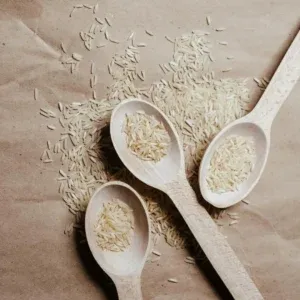 Also known as glutinous rice or sweet rice, sticky rice is a beloved staple across Southeast Asia, particularly in Thailand and Laos. Despite the name, it doesn’t contain gluten – its stickiness comes from its high amylopectin content.
When steamed, the grains become chewy and cohesive, perfect for pairing with coconut milk, tropical fruit, or savoury dishes like grilled pork. In Laos, sticky rice holds cultural and spiritual significance and is eaten daily, often by hand. British cooks experimenting with Thai desserts or dim sum-style treats will find this variety indispensable.
Types of Rice: The Right Rice for Every Plate
Choosing the right type of rice isn’t just about texture – it’s about enhancing the overall experience of a meal. Aromatic basmati lifts the spices of a curry, while creamy arborio transforms a simple stock into a comforting Italian classic.
As more British households explore global cuisines, understanding rice varieties helps bridge cultures and elevate everyday cooking. From sushi nights to Mediterranean feasts, the world’s most versatile grain proves that something so simple can be endlessly sophisticated.