
10 Foolproof Tips for Perfect Banana Bread
Moist banana loaf is a timeless favourite in British kitchens, offering comfort, sweetness, and a perfect use for ripe fruit. Whether baked as a weekend treat or a quick pick-me-up during the week, the quest for the perfect loaf continues. Moist yet fluffy, rich but not overly sweet – achieving balance is an art, but also a bit of science.
Baking, after all, is chemistry in action. The magic lies in how ingredients interact, how heat transforms them, and how precision turns everyday staples into something special. Here are ten practical, foolproof tips for better banana bread – whether you’re a first-time baker or a seasoned pro.
Choose Bananas for a Moist Banana Loaf
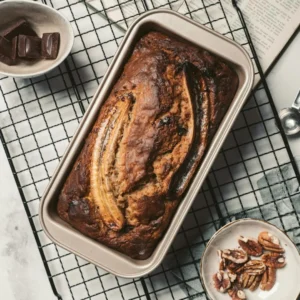 The first secret to perfect banana bread is patience. Bananas should be deeply speckled or almost black before they’re ready for baking. The darker they are, the sweeter and softer they become – ensuring a moist, flavourful loaf.
If you’re in a hurry, there’s a quick fix: bake unpeeled bananas at 180°C for around 10–15 minutes until the skins blacken. Let them cool before mashing – they’ll taste as if they’ve ripened for days.
Bring Ingredients to Room Temperature
Cold ingredients can ruin a good batter. Butter, eggs, and even mashed bananas mix far better when they’re at room temperature, creating a smooth, even texture. If you use cold butter, the batter can seize up, causing uneven pockets of fat that lead to heavy, uneven slices.
A good rule of thumb: take ingredients out of the fridge at least 30 minutes before baking.
Experiment with Different Fats
Butter is traditional, but blending fats can elevate your banana bread’s texture and taste. Try mixing melted butter with a spoonful of sour cream or Greek yoghurt – the tanginess balances sweetness and keeps the loaf moist.
For a vegan option, avocado oil is a great alternative. It has a neutral flavour and a texture that mimics butter beautifully, keeping your loaf soft without compromising flavour.
Measure Dry Ingredients for a Moist Banana Loaf
Scooping flour straight from the bag is a classic mistake – it compacts the flour, resulting in dry bread. Instead, spoon the flour into your measuring cup and level it off, or better still, use a digital kitchen scale for accuracy.
Even small variations in flour can change the texture dramatically, turning a moist loaf into a dense one. Weighing ingredients takes the guesswork out of baking – and guarantees consistent results every time.
Don’t Forget the Salt
Salt isn’t just for savoury dishes – it’s crucial for baked goods too. A small pinch enhances sweetness, sharpens flavours, and helps activate leavening agents. Without it, banana bread can taste flat and overly sugary.
For best results, use fine sea salt so it dissolves easily into the batter. Coarse or flaky salt, though delicious as a garnish, is best reserved for the top if you fancy a gourmet touch.
Leave a Few Lumps for a Moist Banana Loaf
It’s tempting to mix until the batter looks perfectly smooth, but overmixing develops too much gluten, leading to tough banana bread. Stop stirring as soon as the flour disappears – a few small lumps are not only acceptable but ideal.
Those little lumps will dissolve during baking, resulting in a tender crumb rather than a chewy texture. A silicone spatula or whisk is perfect for this light touch.
Get Creative with Mix-ins
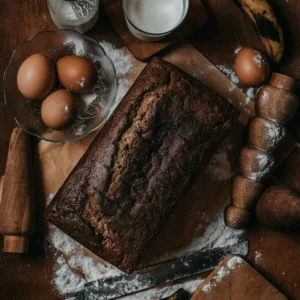 Once the basics are right, you can start playing with flavour. Chopped nuts, chocolate chips, or dried fruits add richness and texture. Walnuts and pecans offer a satisfying crunch, while dark chocolate chunks lend indulgence.
However, moderation matters. Too many add-ins can interfere with the loaf’s structure and moisture balance. Stick to around 100–150g of extras per loaf for best results.
Be Cautious with Moist Banana Loaf Substitutions
It’s easy to assume that swapping one ingredient for another won’t matter – but baking is less forgiving than cooking. If you’re experimenting with alternatives like gluten-free flour or dairy-free butter, start with a recipe designed for those ingredients rather than guessing the ratios.
Each substitution affects moisture, sweetness, and texture differently. For example, sugar doesn’t just sweeten; it also keeps banana bread soft and helps it brown beautifully.
Master the Oven Temperature
Every oven behaves differently, so accuracy matters. Preheat the oven fully before baking and use the middle shelf to ensure even heat. Most banana breads bake best at around 175°C (fan 160°C) for 50–60 minutes.
A shiny metal loaf tin will yield an even bake, while dark or glass pans can cause the edges to overcook before the centre sets. If in doubt, reduce the temperature slightly and extend the baking time.
Check doneness with a skewer – or, for precision, use a thermometer. When the loaf reaches around 93°C internally, it’s perfectly baked through.
Slice Your Moist Banana Loaf with Care
After all that effort, don’t undo your hard work with the wrong knife. Banana bread has a delicate crumb and soft texture, so a serrated bread knife is ideal. It glides cleanly through the crust without squashing the loaf.
Allow your banana bread to cool completely before slicing. Cutting too soon traps steam and makes it soggy. Once cooled, slice as you go rather than all at once to keep it moist for days.
Final Thoughts
Banana bread might seem simple, but the best results come from care and precision. From the ripeness of your bananas to the temperature of your oven, each detail makes a difference. With these ten expert-backed tips, any home baker can turn humble bananas into a perfectly risen, golden loaf – one that tastes as good as it smells.