
London Chinatown Restaurant History and Origins
London Chinatown restaurant history: 700,000 attend celebrations today. Discover how a post-war boom moved this community from docks to Soho. In 1918, only 182 residents lived in the original East End enclave. Following the Blitz, displaced families sought new homes urgently. Meanwhile, returning soldiers craved international flavours. Savvy entrepreneurs noticed cheap rents in the West End. Consequently, they moved westward and opened brilliant Cantonese eateries. This migration established the famous Chinatown we know today. Explore the full story of these pioneering chefs who transformed the city. Learn how they built a cultural legacy that still thrives in the heart of London. Discover why this historic shift remains vital to our culinary identity. This piece reveals the forgotten secrets of a community that redefined British dining forever. Join us as we trace this incredible journey from the docks to the bright lights of Soho.
The East End Roots of the London Chinatown Restaurant Scene
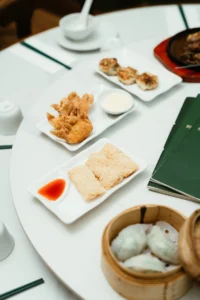 Initially, the East India Company employed thousands of Chinese sailors. These men travelled from Canton and Southern China to Britain. Consequently, many jumped ship and settled near the London docks. They created a tight-knit working-class enclave around Pennyfields and Limehouse Causeway. This vibrant area became London’s first authentic Chinese neighbourhood. Moreover, pioneering immigrants opened lodging houses, provisions stores, and laundries. They catered almost exclusively to homesick sailors arriving in port. Additionally, these early entrepreneurs served comforting bowls of Cantonese broth. They provided familiar meals for tired dockworkers facing harsh conditions. However, the local British population often showed hostility towards them. Therefore, the Chinese community kept to themselves for mutual protection. Indeed, they formed strong mutual aid associations to survive together.
The Blitz and the Great Migration
Everything changed dramatically with the outbreak of the Second World War. Enemy bombers heavily targeted London’s vital docklands during the Blitz. Consequently, explosive raids completely decimated the historic Limehouse area. Furthermore, the shipping industry experienced a massive post-war decline. Therefore, the Limehouse community lost both their homes and livelihoods. They urgently needed to look elsewhere to survive and rebuild. Simultaneously, a quiet culinary revolution began brewing across the country. Returning British troops had experienced exotic flavours during overseas deployments. As a result, they developed a growing appetite for foreign cuisine. Meanwhile, the Soho district offered incredibly cheap commercial property rents. Moreover, Soho boasted a bustling nightlife driven by nearby theatres. Entrepreneurial Chinese immigrants recognised this perfect storm for a restaurant boom. They bravely relocated their families and businesses to the West End.
The Soho Restaurant Boom
By the 1960s, a new wave of immigrants arrived in London. Agricultural workers and skilled chefs migrated from Hong Kong. Consequently, they transformed Soho from a modest collection of cafes. They built a booming, globally recognised culinary destination instead. Furthermore, they introduced highly authentic Cantonese cooking techniques to Londoners. Late-night theatregoers flocked to these new restaurants for post-show meals. Therefore, British locals quickly fell in love with Chinese food. This rapid expansion cemented the modern identity of Soho’s Chinatown. Moreover, community leaders started erecting iconic red lanterns and ornate gates. They successfully branded the urban space to attract global tourists. Indeed, local councils recognised the tremendous economic value of this community.
The Cultural Legacy Today
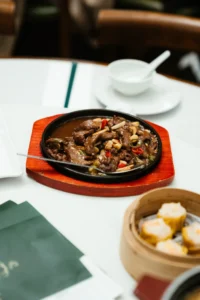 Today, the Soho enclave represents a phenomenal multicultural success story. Millions of international visitors explore these historic streets every year. Furthermore, local institutions continually invest in celebrating Chinese cultural heritage. Organisers host massive street festivals and spectacular lion dance performances. Consequently, the area generates significant footfall for local retail sectors. However, we must always remember those original Limehouse dockland settlers. Their resilience and culinary skills laid the essential groundwork originally. Without their immense sacrifices, the current thriving community would not exist.
A True Soho Original
During this vibrant 1970s expansion, Joy King Lau first opened. Our founders built this establishment on traditional Cantonese culinary foundations. Furthermore, we stand as a proud, original fixture of Chinatown. While the surrounding neighbourhood evolves, our kitchens actively guard our heritage. We fiercely protect the authentic recipes of those early pioneers. Therefore, our chefs still utilise the same traditional cooking methods. When you dine with us, you experience London history. Moreover, you taste the exact flavours that transformed the culinary landscape. We invite you to explore our extensive traditional Cantonese menus. Consequently, you can book your table at joykinglau.co.uk today.